Biographie
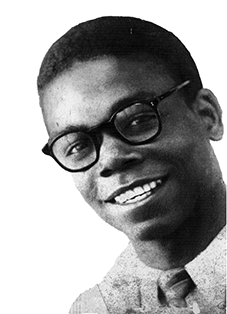
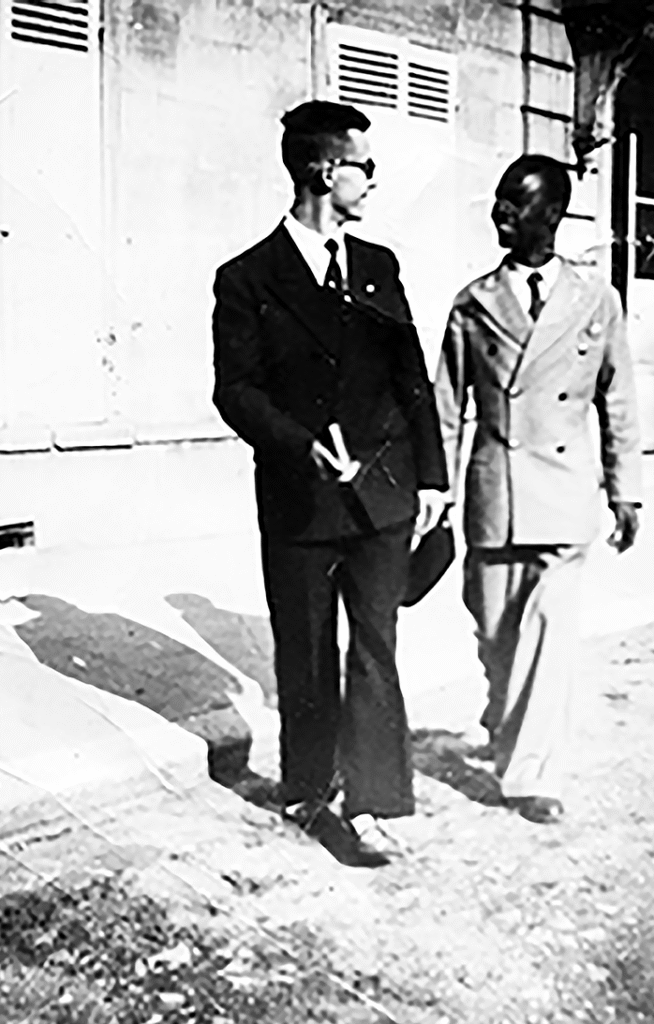
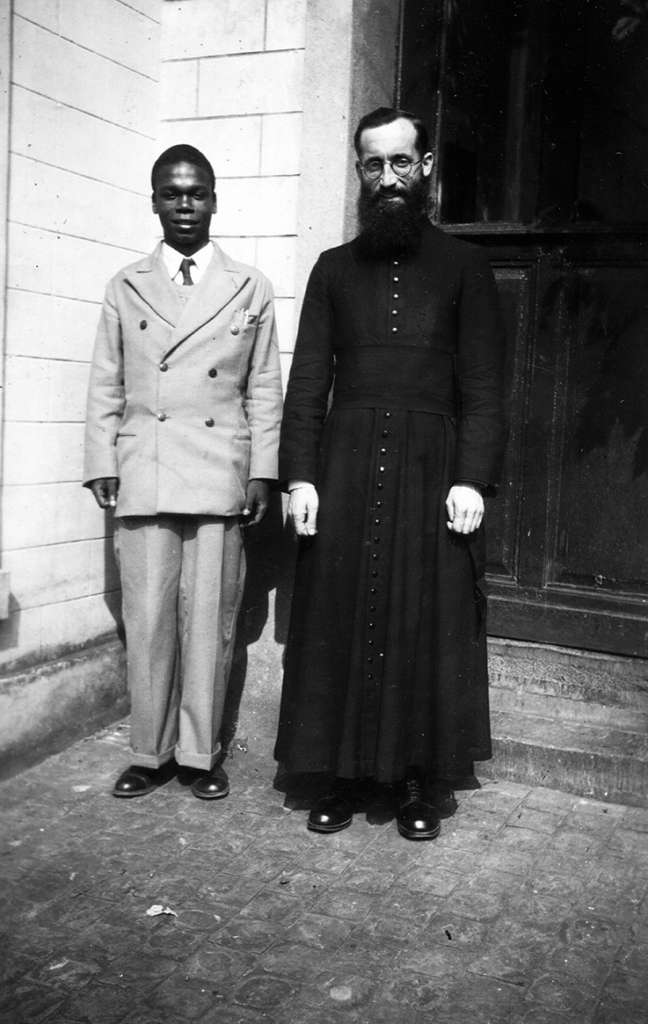
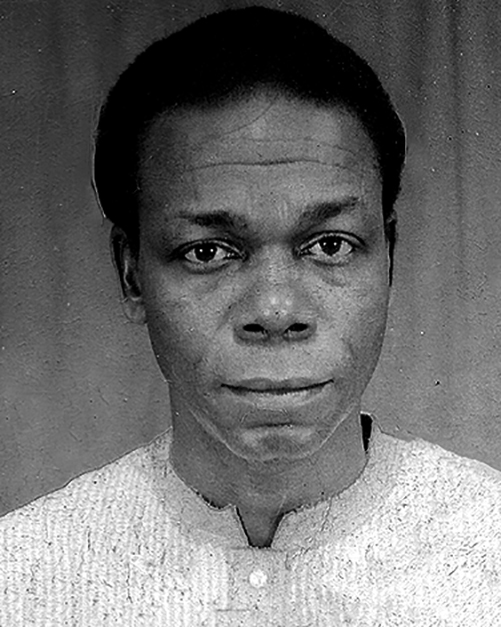
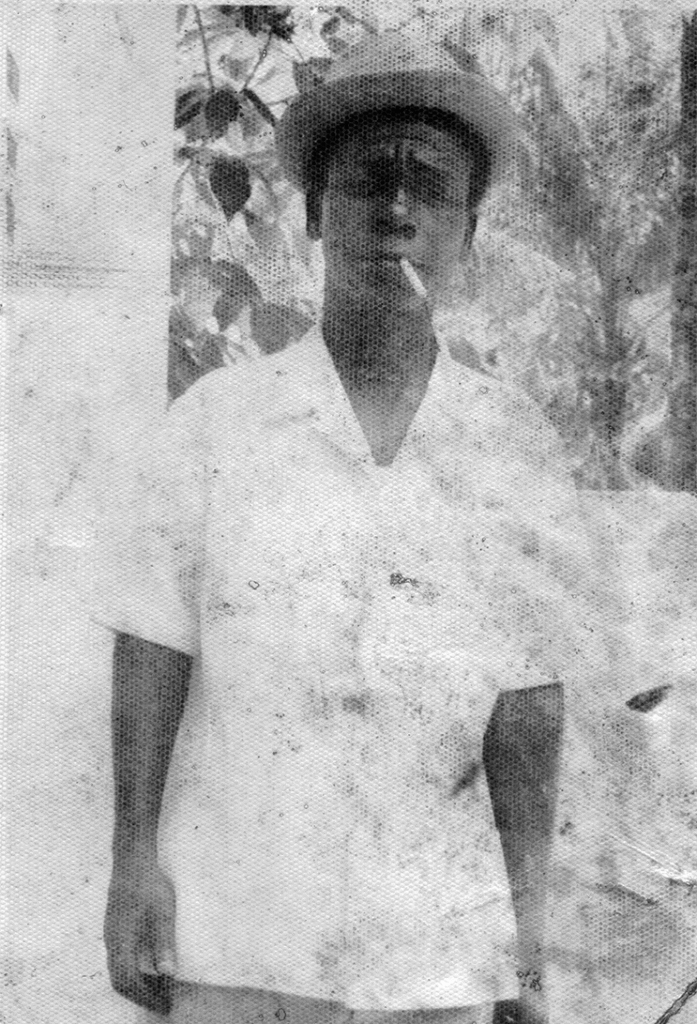
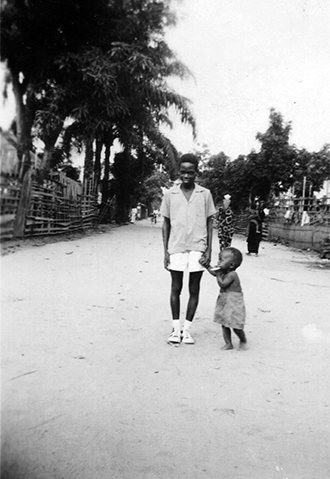
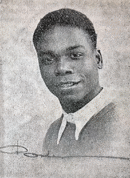
Patrice Joseph Lhoni est né en 1929 à Nzunghi dans le district de Boko. Il est mort en 1976 à Brazzaville (Congo).
À l’âge de 13 ans, il a suivi des cours pour devenir enseignant à la Mission catholique de Brazzaville.
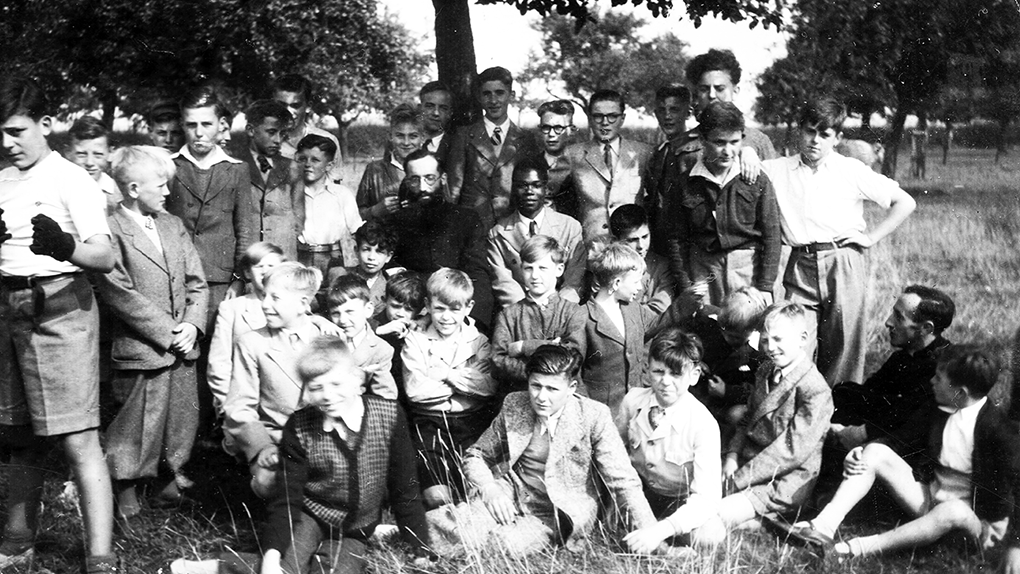
Ayant fort bien réussi ses études, il est envoyé en Métropole et en Belgique où il fut chargé de quêter dans de nombreuses localités, pour l’extension du collège Chaminade (créé en 1946 et devait son nom au Révérend Joseph Guillaume Chaminade fondateur de la congrégation des frères marianistes) en 1953 et deviendra plus tard le Lycée Chaminade. .
Il en profita de ce passage en Europe pour passer avec succès son BEPC puis obtint en 1947 le Diplôme d’instituteur de l’enseignement privé. Il dut en outre en 1956 passé le Certificat élémentaire d’aptitude pédagogique (CEAP) pour tenter de corriger la disparité de traitement salariale qui le plaçait en dessous des autres instituteurs.
Il enseignera à Chaminade de 1950 jusqu’en 1958. Une vexation à caractère raciste et un imbroglio juridique (la direction du collège lui intentera un procès pour non respect de ses engagements. Procès qu’il qu’il gagnera par un jugement rendu le 8 juillet 1958 et qui déboutera la direction du collège de toutes ses demandes) mettront un terme à sa carrière dans l’enseignement privé.
Entre 1950 et 1960, il participe aux mouvements littéraires congolais. Notamment en qualité de journaliste à France Équateur de M. Senez (presse coloniale), à la Semaine de l’Aef (actuelle La Semaine africaine), d’animateur culturel à Radio Brazzaville, dans Liaison, revue des cercles culturels de l’Aef qu’il dirigea dans sa dernière année en 1960. Puis la même année il intégrera la municipalité de Poto-Poto.
Toujours au cours de cette année, il co-fonde l’Institut d’études congolaises (dont il devient le directeur) avec Luis Lopez Alvarez. En sa qualité de directeur de cet institut, il a également été le rédacteur en chef de Buatu Ya Congo (essai d’inventaire du patrimoine culturel congolais et supervisait particulièrement la rubrique Ya Beto Vandiki). Cependant son penchant pour le théâtre l’emmènera également à participer à la co-création du Centre Congolais du Théâtre (1964).
En cette même année 1964, par arrêté N° 1037/FP-PC du 11 novembre 1964 du premier ministre congolais, Patrice Joseph Lhoni alors secrétaire d’Administration de 3è échelon des cadres des SAF de la République du Congo en service à la direction de l’administration générale à Brazzaville est placé en détachement auprès de la Mairie de Brazzaville pour servir en qualité de directeur de la Régie Municipale des Transports Brazzavillois (RMTB). À la cessation d’activités de la Régie (1972), Patrice Lhoni intègre la Mairie de Brazzaville et prend la direction du Service municipal de la culture et des arts jusqu’à son décès en 1976.
L’essentiel de l’œuvre de Patrice Joseph Lhoni, excepté Matricule 22, était inédite jusqu’en 2013. Cette année là, son fils cadet Benoist Saul Lhoni (Benoît Pierre Célestin pour l’État civil) a rassemblé les manuscrits de l’auteur et a commencé un travail de préparation pour l’édition.
La vie intellectuelle de Patrice Joseph Lhoni est marquée par une série d’influences qui expliquent la diversité de sa production. Mais c’est naturellement au théâtre qu’il trouve son allant et s’exprime autant sur les relations colons-colonisés : Matricule 22 et Les Trois Francs ou Malanda de Mbenseke… pièces à travers lesquelles on perçoit les prémices d’émancipation du colonisé et qui sous-tendent les premiers caractères révolutionnaires congolais fait à la fois d’anti-colonialisme et d’un nationalisme militant.
Patrice Joseph Lhoni was born in 1929 in Nzunghi in the district of Boko. He died in 1976 in Brazzaville (Congo).
At the age of 13, he took courses to become a teacher at the Catholic Mission in Brazzaville.
Having done very well in his studies, he was sent to France and Belgium, where he was tasked with fundraising in numerous localities for the expansion of Chaminade College (founded in 1946 and named after Reverend Joseph Guillaume Chaminade, founder of the Marianist congregation) in 1953, which later became Chaminade High School.
He took advantage of his time in Europe to successfully pass his BEPC (Brevet d’études du premier cycle) then, in 1947, obtained his private school teaching diploma. In 1956, he also had to pass the CEAP (Elementary certificate of educational aptitude) to try to rectify the wage disparity that placed him below other teachers.
He taught at Chaminade from 1950 to 1958. A racist grievance and a legal imbroglio (the school administration sued him for breach of contract, a case he won in a ruling handed down on July 8, 1958, which dismissed all the school administration’s claims) put an end to his career in private education.
Between 1950 and 1960, he participated in Congolese literary movements. Notably as a journalist for M. Senez’s France Équateur (colonial press), at La Semaine de l’AEF (now La Semaine africaine), as a cultural presenter on Radio Brazzaville, and at Liaison, a magazine for cultural circles in the AEF, which he managed in its final year in 1960. Then, in the same year, he became a member of the Poto-Poto municipality. Also during that year, he co-founded the Institute of Congolese Studies (of which he became the Manager) with Luis Lopez Alvarez. In his capacity as director of this institute, he was also the editor-in-chief of Buatu Ya Congo (an attempt to catalogue Congolese cultural heritage, overseeing in particular the Ya BetoVandiki section). However, his penchant for the theatre also led him to participate in the co-creation of the Congolese Theatre Centre (1964). In that same year, 1964, by decree No. 1037/FP-PC of 11 November 1964 of the Congolese Prime Minister, Patrice Joseph Lhoni (Secretary of Administration of the 3rd echelon of SAF executives of the Republic of Congo; serving in the general administration department in Brazzaville) was seconded to the Brazzaville City Council to serve as Manager of the Régie Municipale des Transports Brazzavillois (RMTB). When the Régie ceased operations in 1972, Patrice Lhoni joined the Brazzaville City Council and became head of the Municipal Department of Culture and Arts until his death in 1976.
Most of Patrice Joseph Lhoni’s work, except Matricule 22, remained unpublished until 2013. That year, his youngest son, Benoist Saul Lhoni (Benoît Pierre Célestin according to civil records), gathered the author’s manuscripts and began preparing them for publication.
Patrice Joseph Lhoni’s intellectual life was marked by a series of influences that explain the diversity of his output. But it was naturally in the theatre that he found his calling and expressed himself most fully on the subject of colonizer-colonized relationships: Matricule 22 and Les Trois Francs ou Malanda de Mbenseke… These plays reveal the beginnings of the emancipation of the colonized and underpin the first revolutionary characteristics of the Congolese, consisting of both anti-colonialism and militant nationalism.